
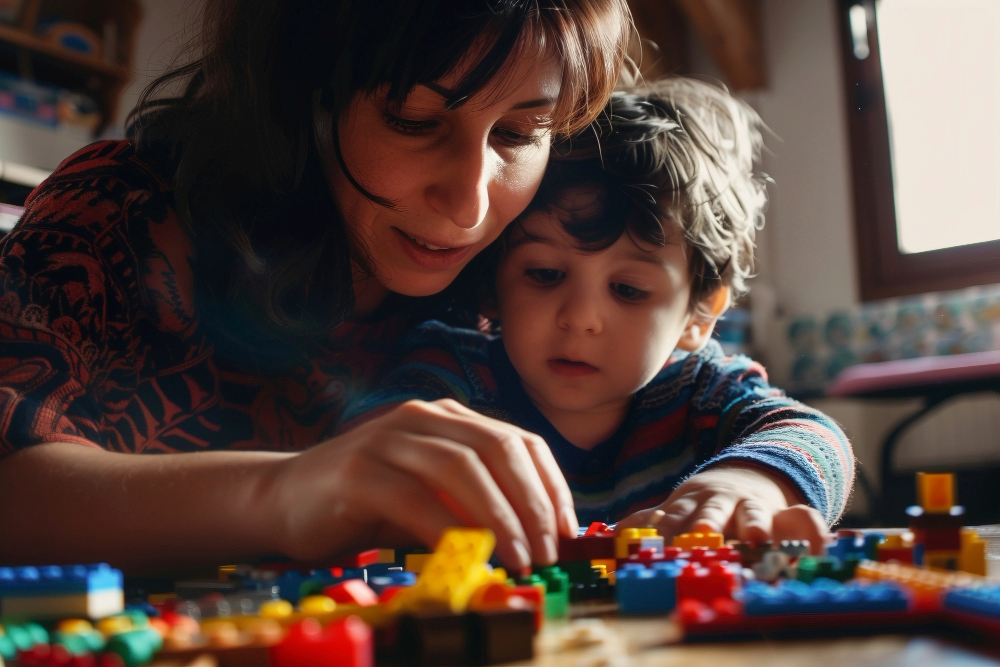
Understanding the types of autism is important for families seeking help. From a homeopathy perspective, each type of autism may need a unique approach. In this blog, we will explore the types of autism homeopathy perspective, the homeopathic approach to autism, and how homeopathy for autism management can support families. We will also discuss autism spectrum types in homeopathy and offer helpful tips for daily life.
What is Autism?
Autism is a brain-based condition. It affects how a person communicates, behaves, and interacts with others. Usually, signs appear in early childhood. For example, some children may avoid eye contact or have trouble with speech. Others may repeat actions or words. Although autism is lifelong, early support can help children learn and grow. According to the World Health Organization (WHO), autism is part of a group called autism spectrum disorders (ASD).
Understanding Autism Spectrum Types
Autism is not the same for everyone. Instead, it is called a “spectrum” because it includes different types and levels. Each person with autism is unique. However, experts often describe autism in these ways:Classic Autism: Children may have strong language and social challenges.Asperger’s Syndrome: People usually have normal language but may struggle with social skills.Pervasive Developmental Disorder-Not Otherwise Specified (PDD-NOS): This type includes children who do not fit other categories but still show signs of autism.Childhood Disintegrative Disorder: Children develop normally at first but then lose skills.
Now, doctors use the term “autism spectrum disorder” for all these types. Still, each person’s needs can be very different.
Homeopathy’s Perspective on Autism Types
From a homeopathy perspective, every child with autism is seen as an individual. Homeopaths look at the whole person, not just the diagnosis. For example, they consider behavior, emotions, sleep, and even food likes or dislikes. Because of this, the homeopathic approach to autism focuses on matching a remedy to the person’s unique symptoms. Although homeopathy does not claim to cure autism, many families seek it for gentle support. Some believe it may help with behavior, sleep, or focus. However, more research is needed to confirm these effects.
Common Homeopathic Remedies for Different Autism Types
Homeopaths may suggest different remedies based on the child’s symptoms. Here are some common options:Carcinosin: Used when children show repetitive actions or sensitivity to noise.Tarentula Hispanica: Chosen for children who are restless or have sudden mood changes.Stramonium: Sometimes used for children with fears or sleep problems.Calcarea Carbonica: Selected for children who are shy or slow to learn new skills.
However, it is important to note that homeopathic remedies should be chosen by a qualified homeopath. Each child’s needs are different, so a personal assessment is key.
Lifestyle and Supportive Guidance
Besides homeopathic remedies, daily routines can help children with autism. For example, families can try these tips:Keep a regular schedule for meals and sleep.Use simple words and clear instructions.Offer praise for small successes.Encourage play and gentle exercise.Stay patient and celebrate progress, no matter how small.
Additionally, support from therapists, teachers, and doctors can make a big difference. Working together helps children reach their best potential.
Prevention and Early Intervention (from a Homeopathic Viewpoint)
Early support is important for children with autism. From a homeopathic viewpoint, starting care early may help manage symptoms better. For example, homeopaths may suggest gentle remedies for children who show early signs of autism. They also encourage healthy habits, such as good sleep and balanced nutrition. However, there is no proven way to prevent autism. The Centers for Disease Control and Prevention (CDC) recommends early screening and support for best results.
In summary, understanding the types of autism from a homeopathy perspective can help families make informed choices. For the best care, consult a qualified homeopath at Homoeocare or healthcare specialist for personalized advice on autism management.