
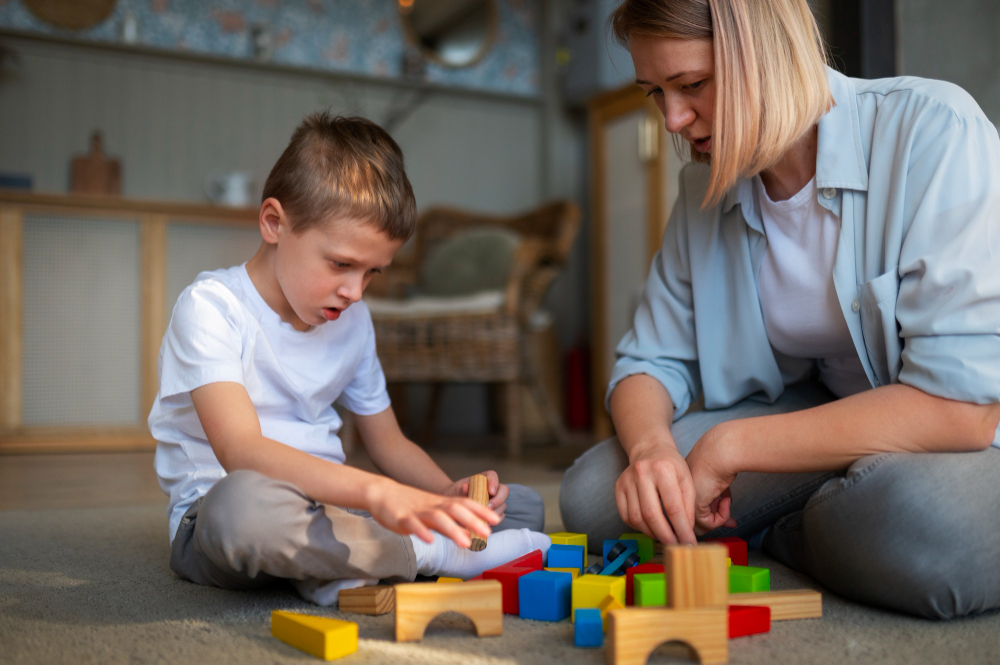
Understanding the symptoms of autism is important for early support. Many families explore different approaches, including homeopathy. In this blog, we look at the symptoms of autism in a homeopathy perspective. We also explain how homeopathy views these symptoms and when to seek help. If you are searching for “autism symptoms homeopathy” or “homeopathic view of autism,” this guide is for you.
What is Autism?
Autism, also called autism spectrum disorder (ASD), is a condition that affects how a person communicates and interacts with others. According to the World Health Organization (WHO), autism often appears in early childhood. However, the signs can vary from person to person.
Common symptoms include:Difficulty with social interactionsChallenges in communicationRepetitive behaviors or routinesStrong interest in certain topicsSensitivity to sounds, lights, or textures
But not every child shows the same signs. Some may have mild symptoms, while others need more support. Early recognition can help families find the right care.
Homeopathy’s Approach to Autism
Homeopathy is a system of medicine that looks at the whole person. Instead of focusing only on the diagnosis, homeopaths study each person’s unique symptoms. For autism, homeopathy does not treat the label but the individual. This means every child’s experience matters.
Moreover, homeopathy believes that symptoms are the body’s way of showing imbalance. By understanding these signs, a homeopath tries to find a remedy that matches the person’s needs. This is why the “homeopathic view of autism” focuses on individuality.
Key Symptoms of Autism from a Homeopathy Perspective
From a homeopathy perspective, the symptoms of autism are seen as unique to each person. Still, some core symptoms are often noted. Homeopaths pay close attention to these signs:Delayed speech or language: Some children may speak late or use few words.Poor eye contact: Many avoid looking directly at people.Repetitive actions: This can include hand-flapping, rocking, or repeating words.Strong attachment to routines: Changes in routine may cause distress.Unusual reactions to sounds or touch: Some may cover their ears or dislike certain textures.Lack of interest in playing with others: Many prefer to play alone.Emotional outbursts: Sudden anger or sadness can happen, often without clear reason.
However, homeopaths also look for less obvious signs. For example, sleep patterns, fears, food likes and dislikes, and how the child responds to comfort are all important. This helps create a full picture for “homeopathy for autism symptoms.”
How Homeopaths Assess Symptoms
Homeopaths use careful observation and detailed questions to assess symptoms. First, they talk with parents or caregivers to learn about the child’s history. Next, they watch how the child behaves in different settings. They may ask about:When symptoms first appearedHow the child reacts to stress or changeSleep and eating habitsEmotional responsesFamily history of similar issues
Because every child is different, homeopaths believe in individualized assessment. This means the remedy chosen is based on the child’s unique set of symptoms, not just the diagnosis. As a result, “homeopathy for autism in your city” may look different for each family.
When to Seek Professional Help
If you notice signs of autism in your child, it is important to seek help early. While homeopathy can be part of a care plan, you should always consult a qualified homeopath or healthcare provider. Early support can make a big difference. In addition, if symptoms change or become more severe, reach out to a professional right away.
Remember, only a trained expert can provide a full assessment and guide you to the best care for your child.
Conclusion
Recognizing the symptoms of autism is the first step toward support. The homeopathy perspective values each child’s unique experience and aims to address their specific needs. If you have concerns about autism symptoms, consult a qualified homeopath at Homoeocare or healthcare professional for personalized guidance.