Autism Causes

Causes of Autism

Autism Spectrum Disorder (ASD) is a complex condition with no single cause. It develops due to a combination of genetic and environmental factors that influence how the brain grows and forms connections. Recently we have labelled a new classification of autism “Virtual Autism” which is primarily caused by Excessive exposure to screen time.

Genetic Factors in Autism

Genetics play a key role in autism. In about 15-20% of cases, a specific genetic cause can be found. This can involve mutations in rare genes, as well as common genetic variations that together increase the risk of autism. However, genetic changes linked to autism can also appear in people without disorders. It is a misnomer that autism runs in families. Only autism with genetic mutations runs in families. If one child is autistic, it doesn’t mean that other child will be autistic unless the cause is genetic mutations.

Environmental Factors That Influence Autism

Along with genetics, certain environmental factors can increase the risk of autism, including: Advanced parental age, Exposure to air pollution or pesticides during pregnancy, Maternal conditions like obesity, hypothyroidism or diabetes, Premature birth or low birth weight & Birth complications, like oxygen deprivation to the brain. While these factors may raise the likelihood of autism in children (this is primary autism), they don’t directly cause it. When combined with genetic factors, however, they canincrease the risk.

How Brain Development Affects Autism

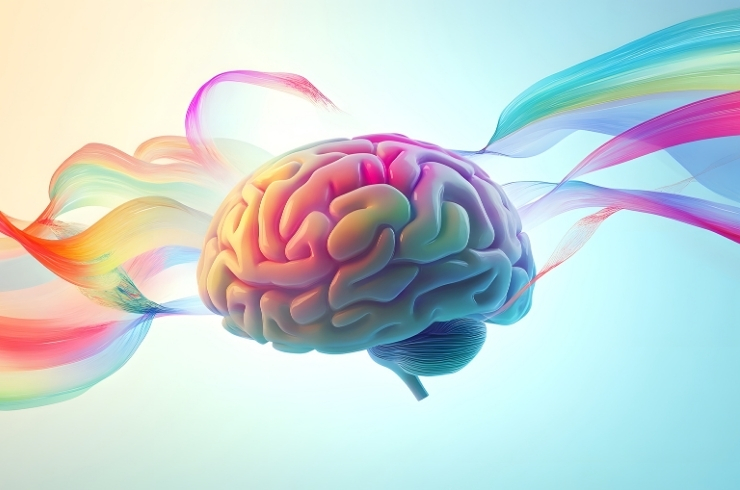
The brain’s synapses (connections between brain cells) are crucial for learning and communication. In children with autism, these connections may not form as expected, affecting how they interact with others and respond to their environment. Understanding brain plasticity—the brain’s ability to adapt—is key in dentifying how autism develops and how interventions can help.

Do Vaccines Cause Autism?

Yes, we have seen cases where vaccines are known to trigger autism in a child. We call this as secondary autism. In 1998 paper by Andrew Wakefield and olleagues confirmed this point, however scientific community later discarded this paper. However we still see many cases where vaccination especially MMR given at 18 months of age stops the process of synaptic pruning triggering autism.

Looking Deeper Into Autism Origins

Learn about the possible genetic and neurological influences behind autism, offering parents clear guidance and reassurance through accurate information.

Genetic Factors

Autism often involves genetic variations passed through families, influencing brain development and increasing the likelihood of autism in certain children.

Neurological Differences

Differences in brain structure and neural connectivity can affect communication, behavior, and sensory processing, contributing to the development of autism.

Environmental Influences

External factors such as toxins, pollution, or prenatal exposures can interact with genetics, potentially impacting early brain development and autism risk.

Immune System Factors

Irregular immune responses or inflammation during pregnancy or early infancy may influence brain development, increasing the possibility of autism.

Early Brain Development Issues

Disruptions during critical stages of brain growth can affect learning, behavior, and communication, contributing to autism’s early developmental differences.

Pregnancy Complications

Factors like maternal illness, premature birth, low birth weight, or exposure to certain substances during pregnancy may increase autism risk.