
Autism Symptoms

Autism Spectrum Disorder (ASD) Symptoms

Autism Spectrum Disorder (ASD) is a developmental condition that affects communication, behavior, and social interaction. The symptoms of autism can vary greatly, and early identification is key to providing the right support and treatment. This guide highlights the common ASD symptoms and offers tips for parents on how to spot the early signs of autism for timely intervention.

Key Signs of Autism and Early Detection Tips for Parents

Autism can show up in different ways, and identifying the early signs of being autistic can help parents take action sooner. ASD symptoms can range from mild to severe. Some children show mild ASD symptoms, while others face bigger challenges. Here are three important signs to look for:

No Eye Contact

Eye contact is a key part of ommunication and helps children connect with others. Children with autism may avoid eye contact, hich can make it harder for them to form relationships and understand emotions.

Not Responding to Name

A child’s ability to respond to their name is a basic social skill. Children with autism may not respond, as they might be focused on their own activities or unaware of social cues, which is a common sign of ASD symptoms.

Not Following Commands

Children with autism often find it hard to follow simple commands. Even high functioning ASD symptoms can affect a child’s ability to understand and respond to instructions, which can cause frustration and limit their participation in activities.

Communication Challenges in Autism

Children with autism often have trouble with both verbal and nonverbal communication. While ADHD and autism symptoms can overlap, communication issues in autism tend to focus more on social interaction. Here are some common communication problems in children with ASD:

Repetitive Behaviors and Stereotyped Interests in ASD

Children with autism may also display repetitive behaviors and have intense, specific interests. These behaviors often help them cope with sensory overload or changes in their environment. Some examples include:

Self-Injurious Behavior

Such as head-banging or biting themselves.

Stereotyped Movements

Like hand-flapping or rocking.

Compulsive Behavior

Repetitive counting or organizing.

Ritualistic Behavior

Insisting on doing things in a certain order.

Speech Delay vs Autism: What is the Difference

Parents may sometimes confuse a speech delay with autism, especially if their child isn’t speaking by the age of 18 months. However, it’s important to istinguish between the two.Children with speech delay might still communicate using gestures or facial expressions,while children with autism may struggle with both verbal and nonverbal communication. While mild ASD symptoms may involve just a slight speech delay, children with more pronounced ASD spectrum symptoms usually face greater challenges with social interaction and communication. Early diagnosis can help clarify whether a child is simply experiencing a speech delay or if they have autism, allowing for timely intervention.

Frequently Asked Questions

If your child shows signs like no eye contact, not responding to their name, or difficulty following commands, it may be helpful to consult a healthcare professional for an evaluation.

Some autistic children may speak normally, while others may have delays or differences in speech, such as using a monotone voice or repeating phrases.

The main signs include no eye contact, not responding to their name, and not following commands.

Early interventions like behavioral therapy and speech therapy, along with homeopathy treatment, can help reduce symptoms and improve social and communication skills.
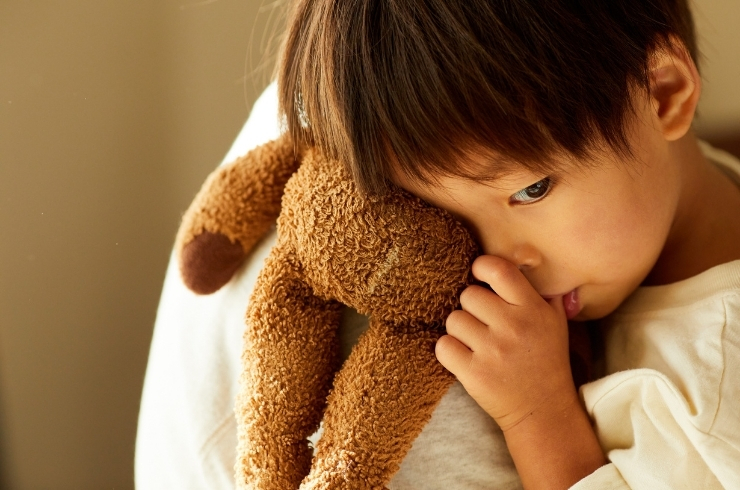
When Small Signs Say a Lot

Identifying autism symptoms early empowers families to seek proper therapies, encourage development, and support a child’s unique needs effectively.

Delayed Speech

Children may take longer to develop spoken language, struggle to form words, or use fewer verbal expressions compared to peers, affecting communication.

Limited Eye Contact

Reduced or inconsistent eye contact may appear during conversations or interactions, affecting social connection and nonverbal communication with others.

Repetitive Behaviors

Children may repeat certain movements, actions, or routines, using them as a form of comfort, regulation, or predictable daily structure.

Sensory Sensitivities

Heightened or reduced responses to sound, touch, lights, textures, or movement can impact comfort, behavior, and daily interactions with the environment.

Difficulty With Social Interaction

Challenges may appear in understanding social cues, forming relationships, initiating play, or responding appropriately during social situations.

Restricted Interests

Children may develop intense focus on specific topics, objects, or activities, often preferring limited or highly structured areas of interest that feel comforting.